
Pediatric Physical Therapy & Developmental Milestones
What Parents Should Know
Helping Your Child Move, Grow, and Thrive
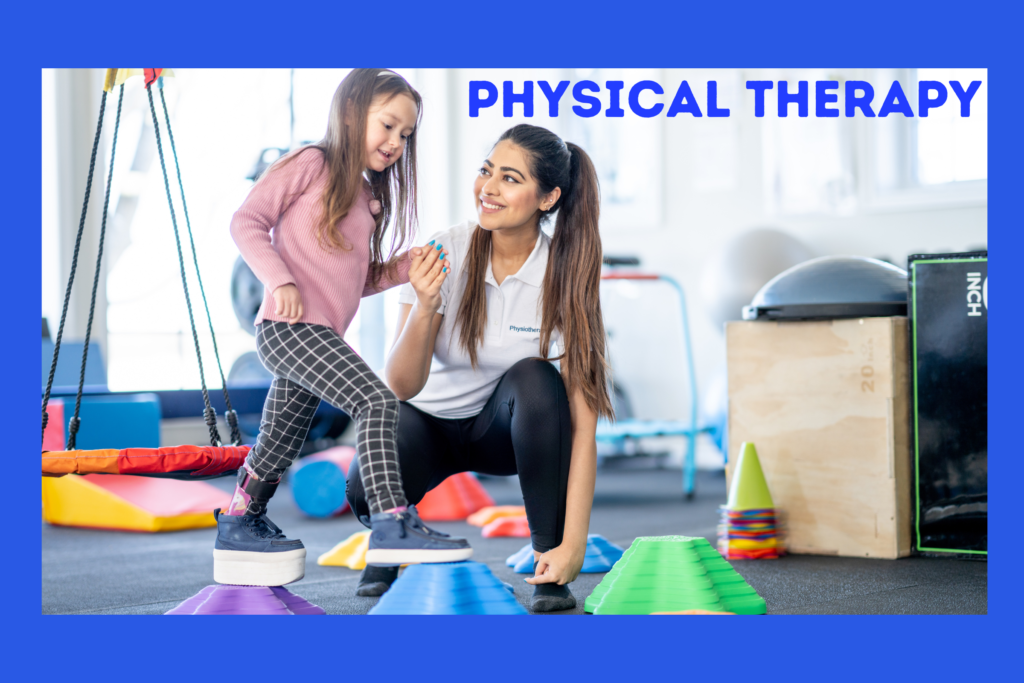
At our clinic, we understand how exciting — and sometimes concerning — it can be to watch your child grow. Rolling over, crawling, standing, and walking are more than just milestones; they’re building blocks for lifelong physical health and independence. Pediatric physical therapy supports children who need a little help reaching those milestones, so they can move through life with confidence.
What Are Developmental Milestones?
Developmental milestones are physical, emotional, and cognitive skills that most children achieve by certain ages. In physical therapy, we focus on gross motor milestones — movements involving large muscle groups like crawling, standing, and walking.
Typical Gross Motor Milestones
| Age | Milestones |
|---|---|
| 2 Months | Lifts head during tummy time, smoother arm and leg movements |
| 6 Months | Rolls both ways, sits with/without support, pushes down on legs |
| 9 Months | Crawls, sits well, pulls to stand |
| 12 Months | Stands independently, cruises on furniture, may walk |
| 18 Months | Walks, runs, climbs onto furniture independently |
📌 Source: CDC Developmental Milestones
When Should You Be Concerned?
Every child is unique, but some signs may indicate your child could benefit from an evaluation by a pediatric physical therapist:
- Not lifting head by 3–4 months
- Difficulty sitting by 8 months
- Not crawling by 10–11 months
- Not walking by 18 months
- Stiff or floppy muscle tone
- Strong preference for one side of the body
✅ Early intervention is key. Research shows that therapy started early leads to better long-term physical and functional outcomes.
📖 Source: Spittle, A. et al., Pediatrics, 2015
How Pediatric Physical Therapy Can Help
Our licensed pediatric physical therapists specialize in helping children improve strength, coordination, balance, and movement skills. We treat children with:
- Developmental delays
- Prematurity-related delays
- Cerebral palsy
- Down syndrome
- Torticollis and plagiocephaly
- Hypotonia or hypertonia (low or high muscle tone)
Therapy Focus Areas
- Encouraging age-appropriate movement (rolling, crawling, walking)
- Improving strength and posture
- Promoting coordination and balance
- Teaching safe, efficient movement patterns
- Guiding parents with at-home strategies
Sessions are play-based, engaging, and individualized — because kids learn best when they’re having fun!
What You Can Do at Home
Support your child’s motor development with these simple, therapist-recommended activities:
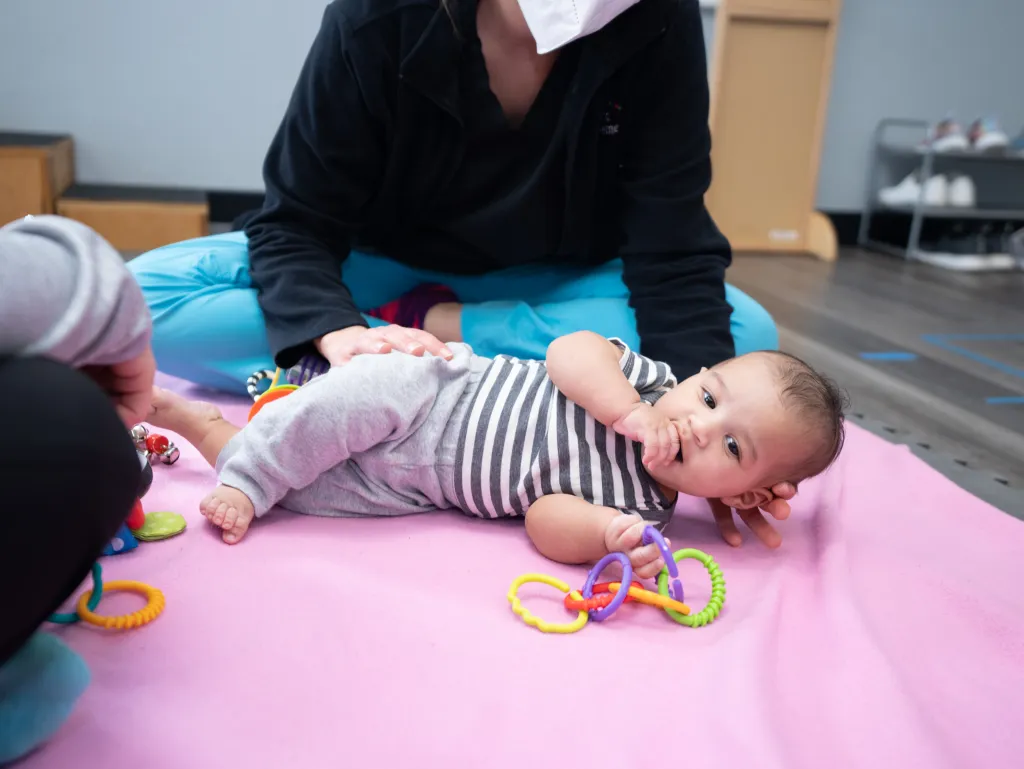
- Tummy time from birth to build strength
- Floor play that encourages reaching, rolling, and crawling
- Obstacle courses to promote climbing, stepping, and coordination
- Limit time in containers like swings and jumpers
- Let them go barefoot (safely!) to build balance and awareness
- Get outside for natural exploration and movement challenges
Why Early Support Matters
Delays in motor skills can affect more than movement — they may also impact your child’s social skills, confidence, and independence. The earlier therapy begins, the more progress your child is likely to make.
👣 “Movement is the foundation for learning,” says Dr. Cheryl Sparks, DPT. “When kids move well, they play, explore, and grow in every area of development.”
✅ Helpful Resources for Parents
- CDC Milestone Tracker App
- APTA – Pediatric Physical Therapy Info
- Zero to Three – Movement and Motor Development